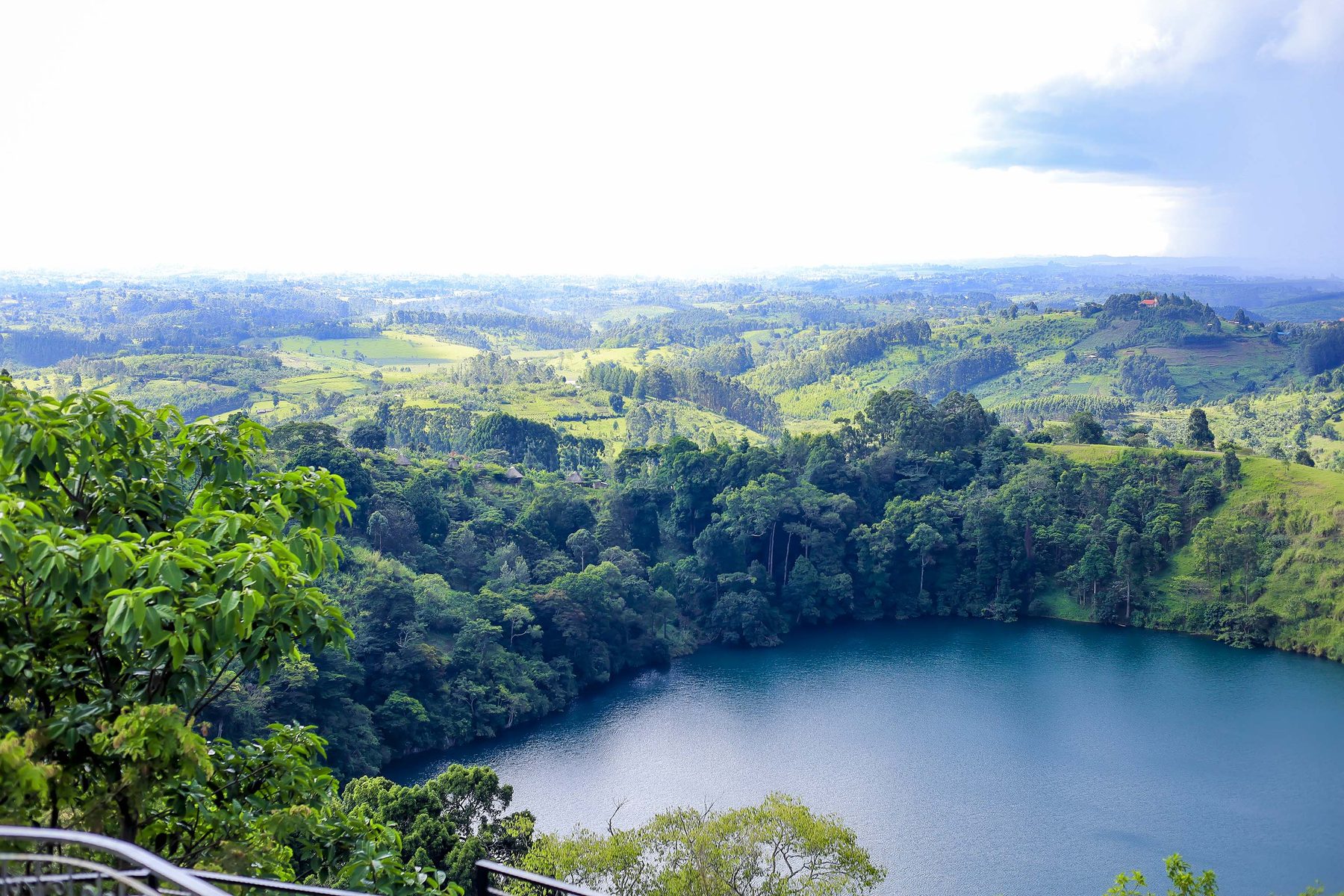
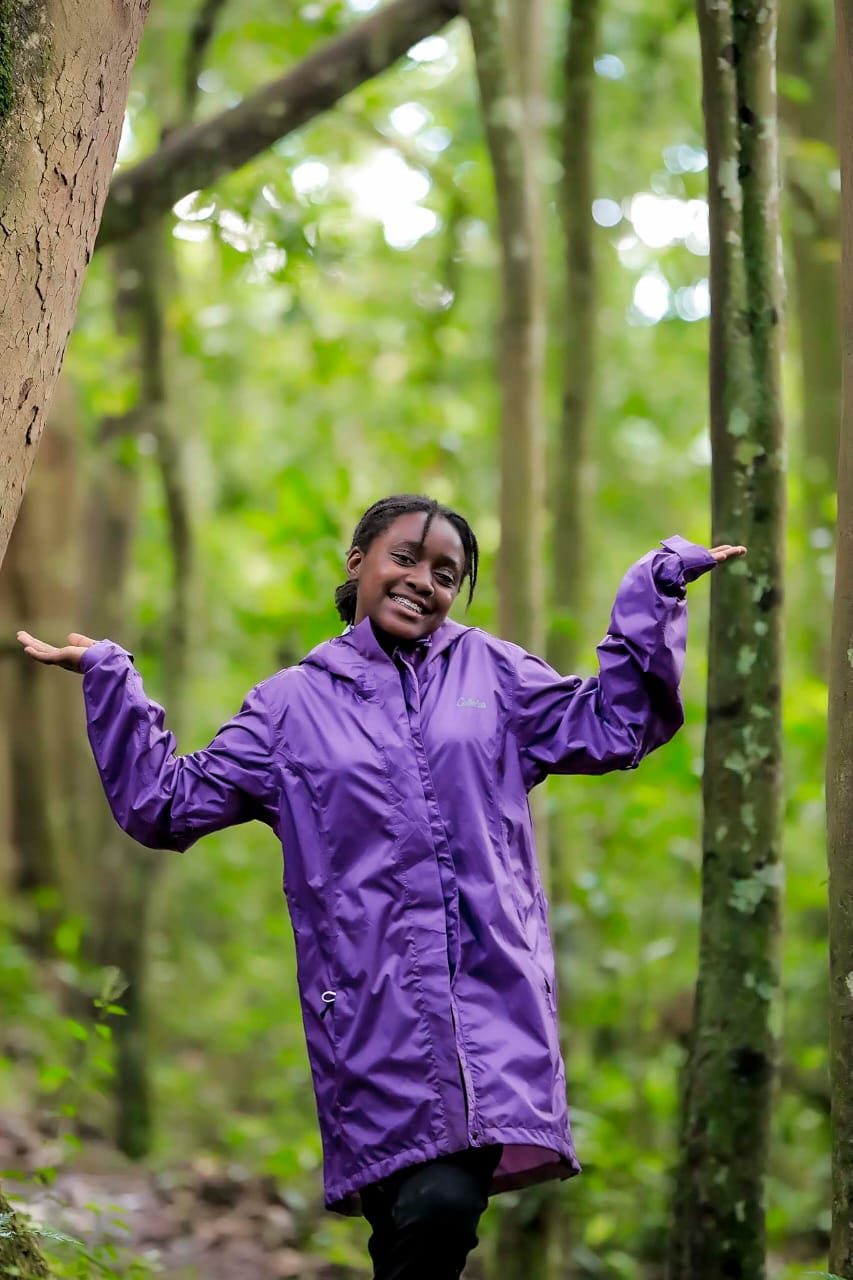
Thriving Nature & Ecosystem Restoration
Tree growing, wetland awareness, school greening and long-term stewardship.
Strategic Plan 2026–2030
A youth-inspired and community-rooted conservation foundation for ecosystem restoration, climate action, biodiversity protection, green livelihoods and environmental education.
Founding story
“Something needed to be done.”
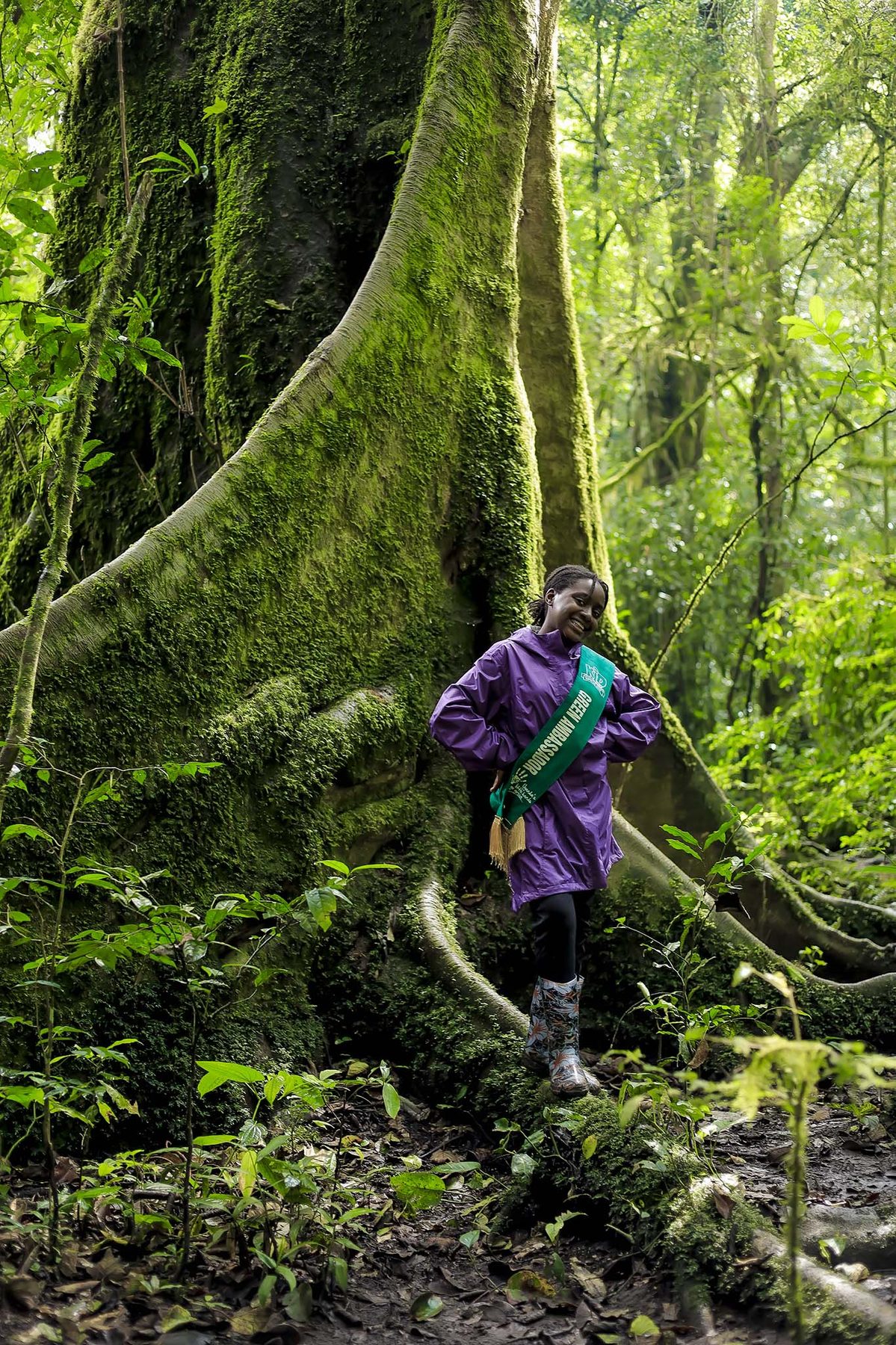
In 2024, at just 10 years old, Talia Birungi Kandole watched a small forest and wetland near her home—once alive with monkeys, birds and play—disappear beneath an apartment block. With her siblings Tamara, Timothy and Tabitha, and friends in the neighbourhood, she wrote a letter calling for wildlife and environmental protection.
That moment grew into the 1 Million Trees Planting Campaign, launched on 17 April 2025, and now The Five Roots Foundation: a platform where children lead, communities steward, and nature recovers.
Read the full story →Purpose
We empower children, youth, women and communities to regenerate ecosystems and build nature-positive livelihoods.
Vision
A Uganda where children, youth and communities lead the regeneration of ecosystems, protect biodiversity and build resilient livelihoods rooted in identity, stewardship and hope.
Mission
To empower children, youth, women and communities to regenerate ecosystems and improve livelihoods through conservation-driven education, practical climate action, sustainable tourism, resilient food systems and locally rooted solutions.
Programme model
Our 2026–2030 work is organised around five programme pillars—each rooted in community action and child and youth leadership.
Tree growing, wetland awareness, school greening and long-term stewardship.
Ambassadors, school clubs, climate camps and youth storytelling.
Dialogues, habitat care and partnerships with conservation authorities.
Nature-positive enterprises that reduce pressure on fragile ecosystems.
Storytelling, public campaigns and the Children for Nature Forum.
Culture
Damaged ecosystems and discouraged communities can recover through practical action.
Children, youth and communities learn by doing, observing, restoring and sharing.
People take responsibility for the natural systems that sustain them.
Care for nature, wildlife, community and future generations.
Conservation linked to culture, home, belonging and pride in Uganda’s heritage.
Momentum
The 1 Million Trees Campaign has already mobilised partners and communities. Our Strategic Plan shifts the emphasis from planting alone to tree growing, survival monitoring and long-term stewardship.
Where we begin
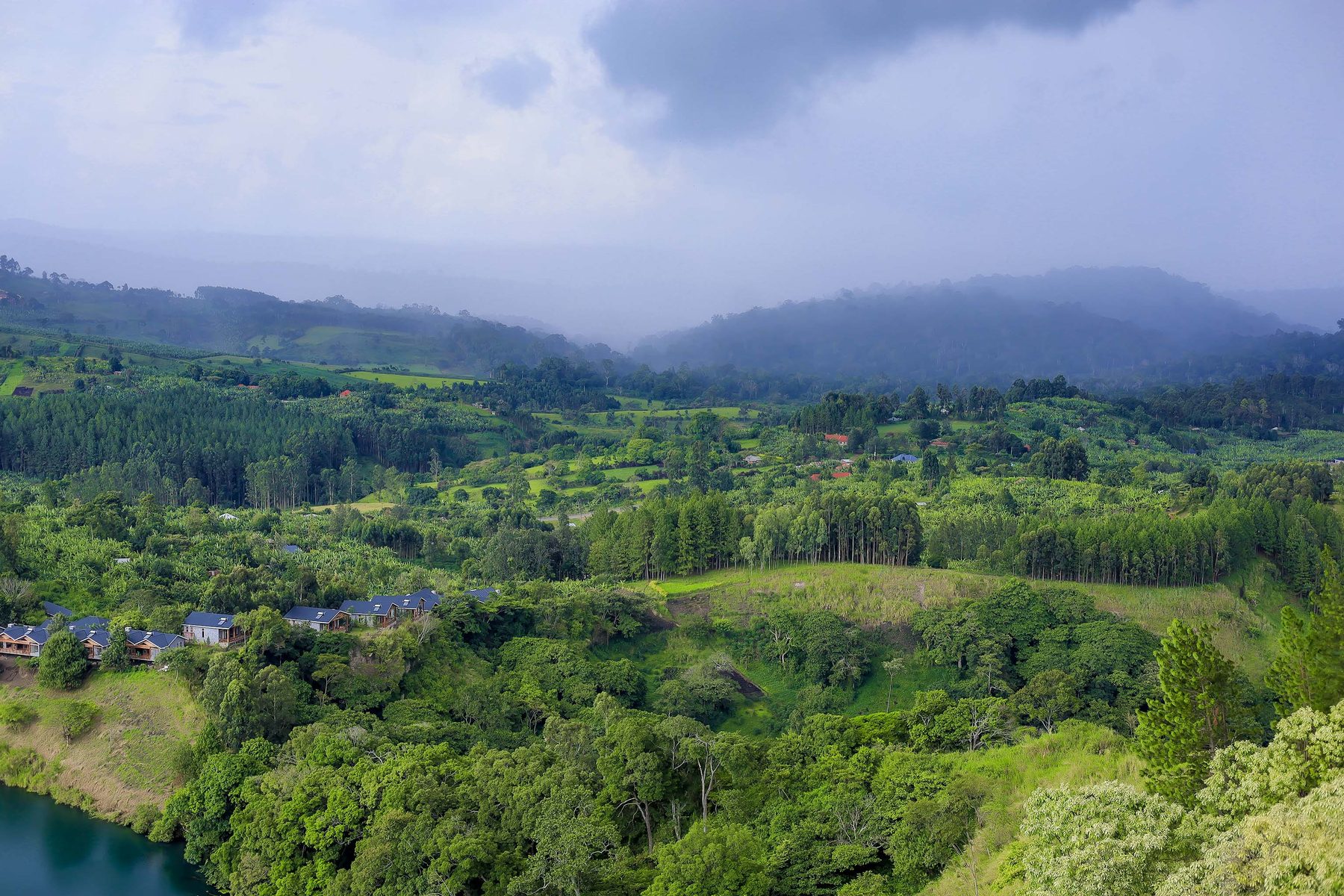
We start deep before expanding wide—beginning in western Uganda, especially Kyenjojo, Kabarole, Kikuube, Kasese and communities linked to Kibale National Park and Bugoma Forest Reserve.
In the field
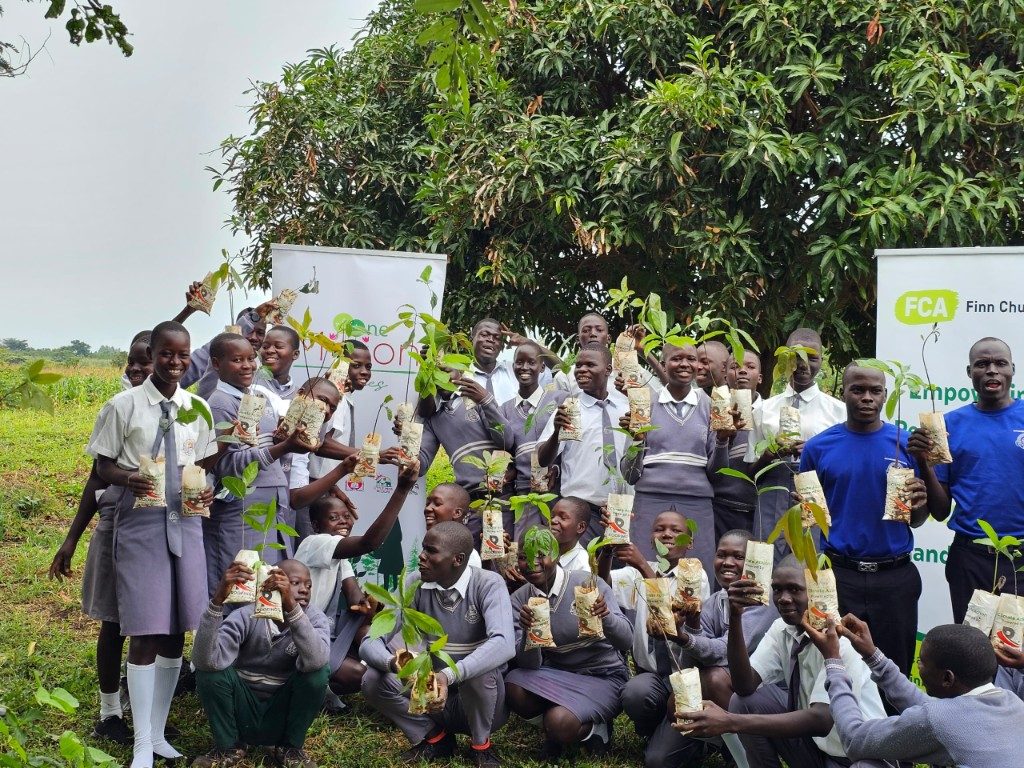
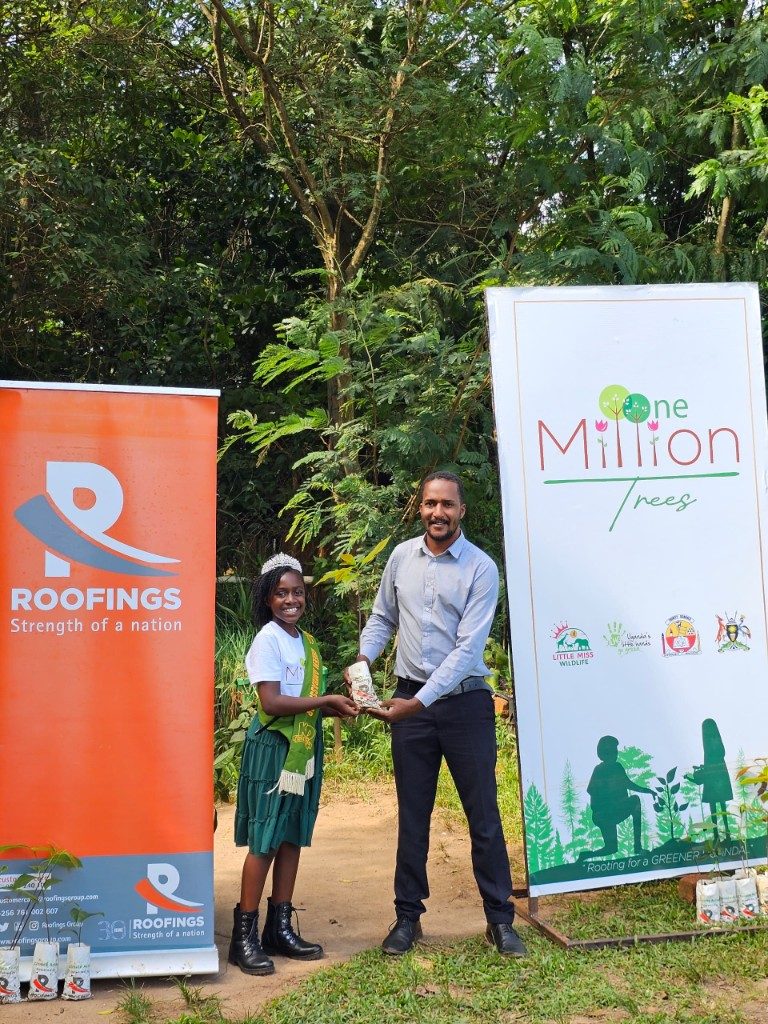
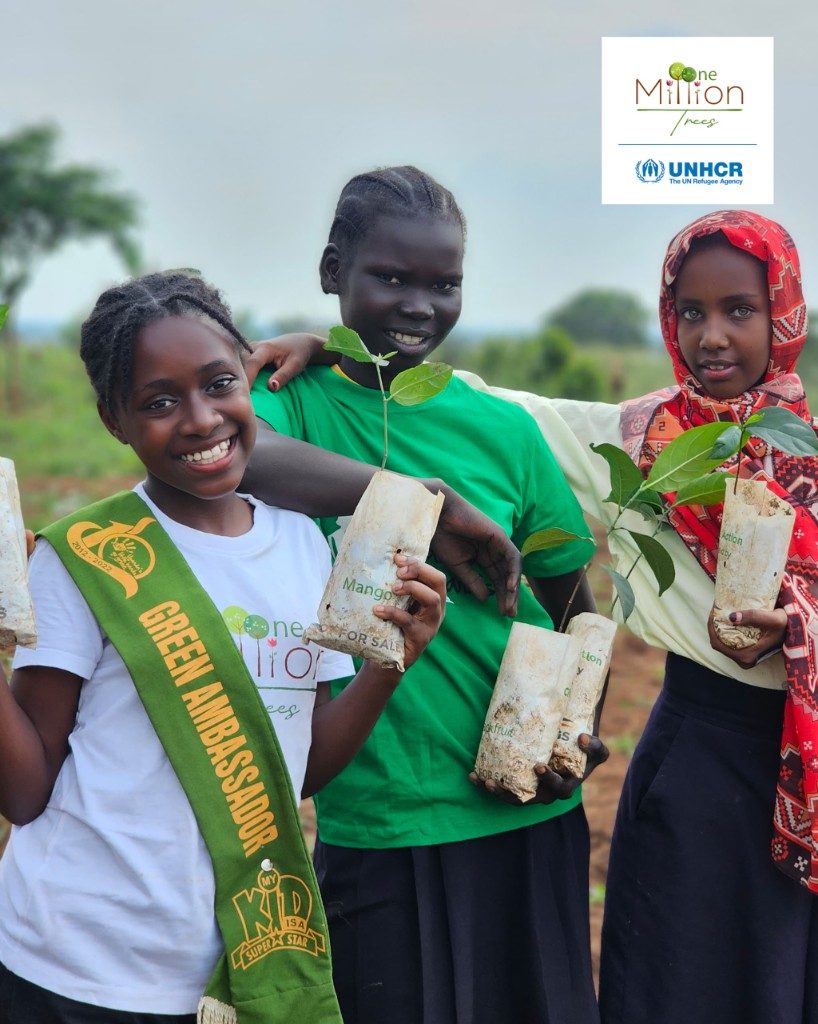
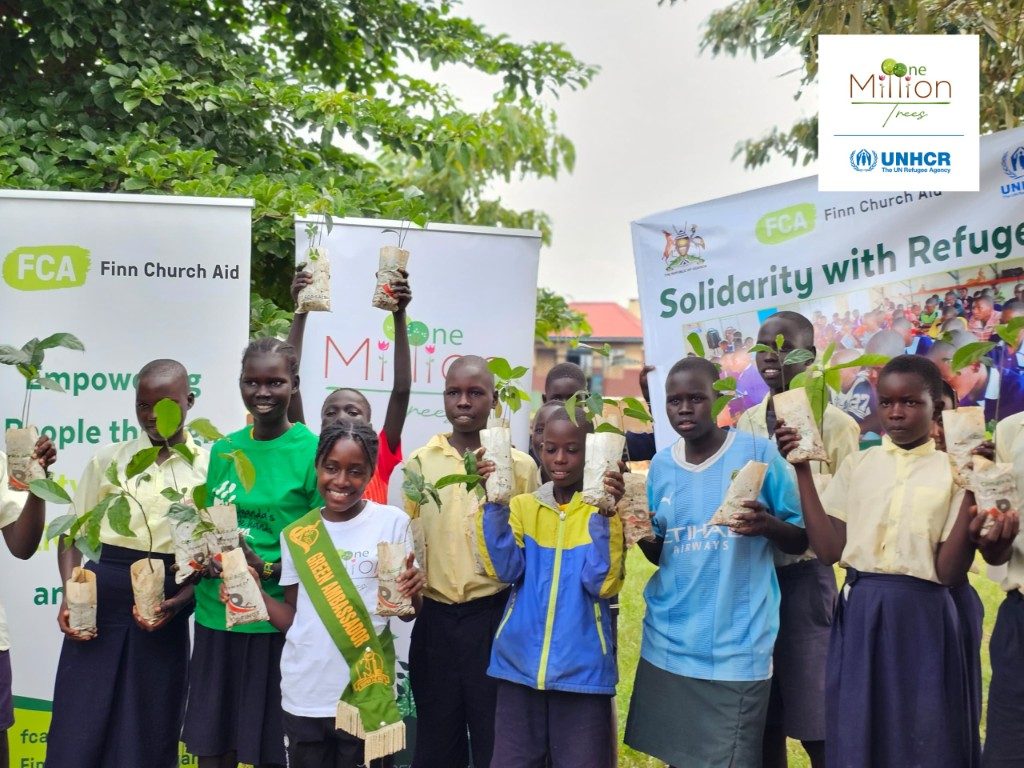
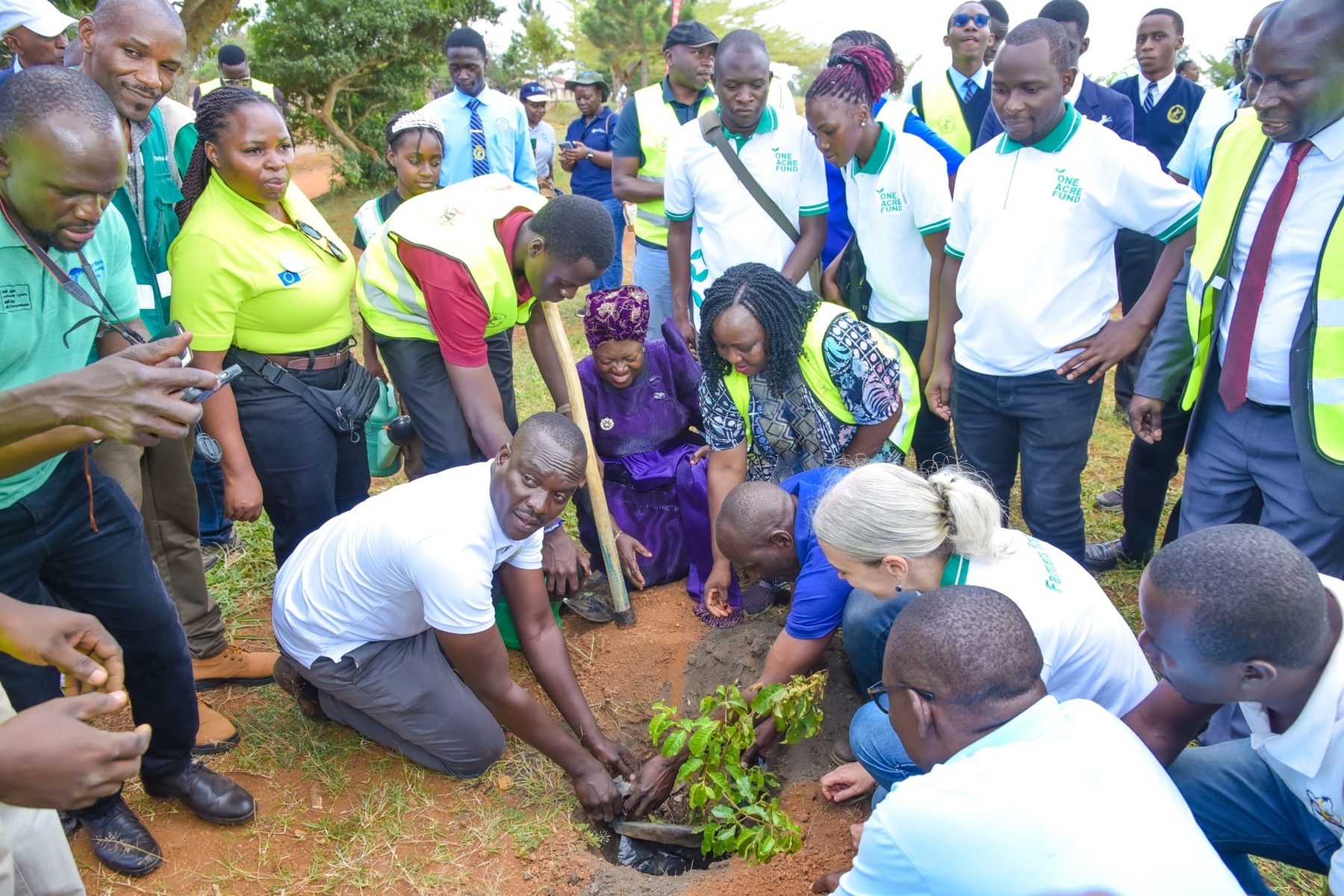
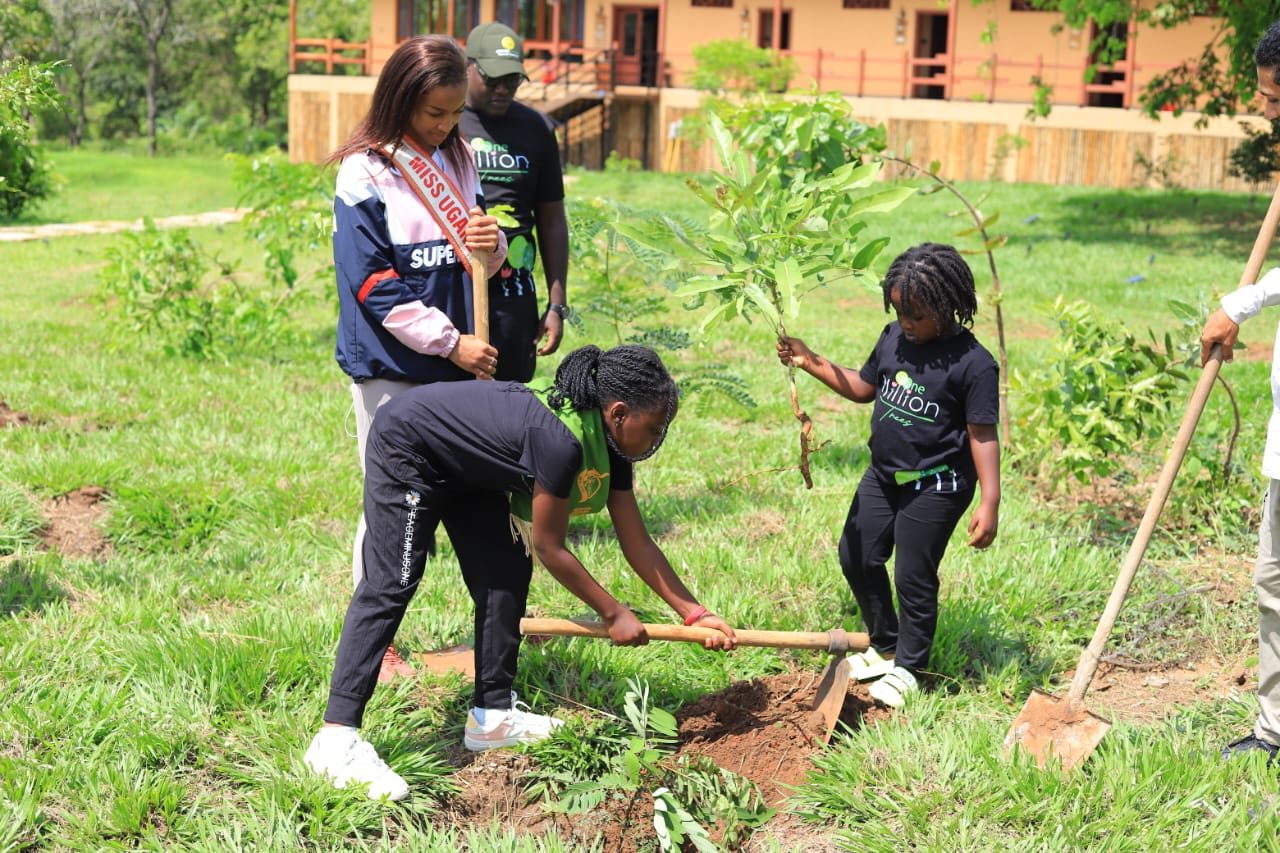
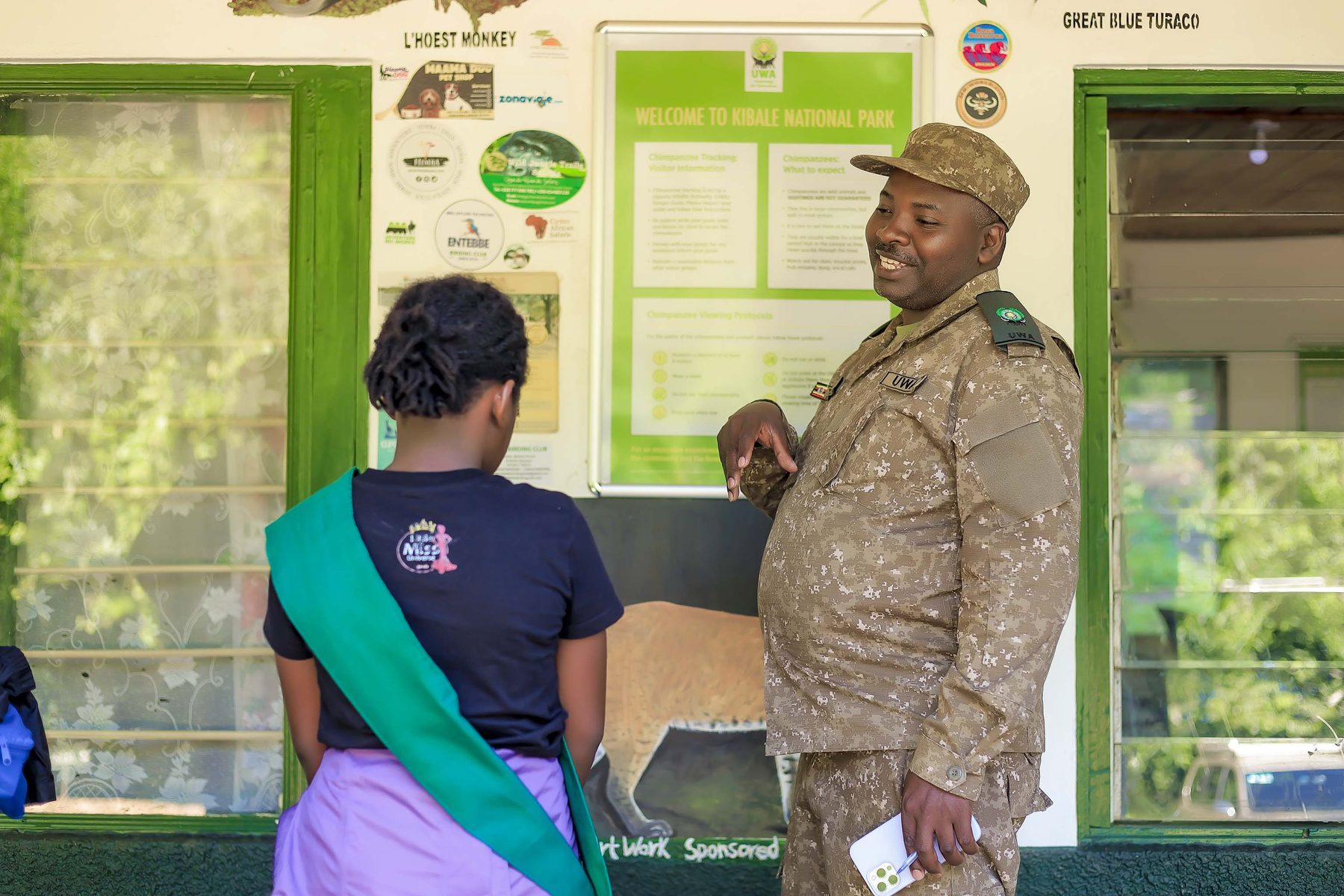
From school clubs and refugee settlements to corporate partners and international guests—moments that show how wide our engagements reach across Uganda.

Get involved
Schools, conservation actors, tourism partners, companies and individual supporters can help children and communities restore the ecosystems that sustain them.