Hope
The belief that damaged ecosystems and discouraged communities can recover through practical action.
About the Foundation
What began as an instinctive response to biodiversity loss has grown into a practical conservation movement anchored in tree growing, education, community stewardship and locally rooted action.
Founding story
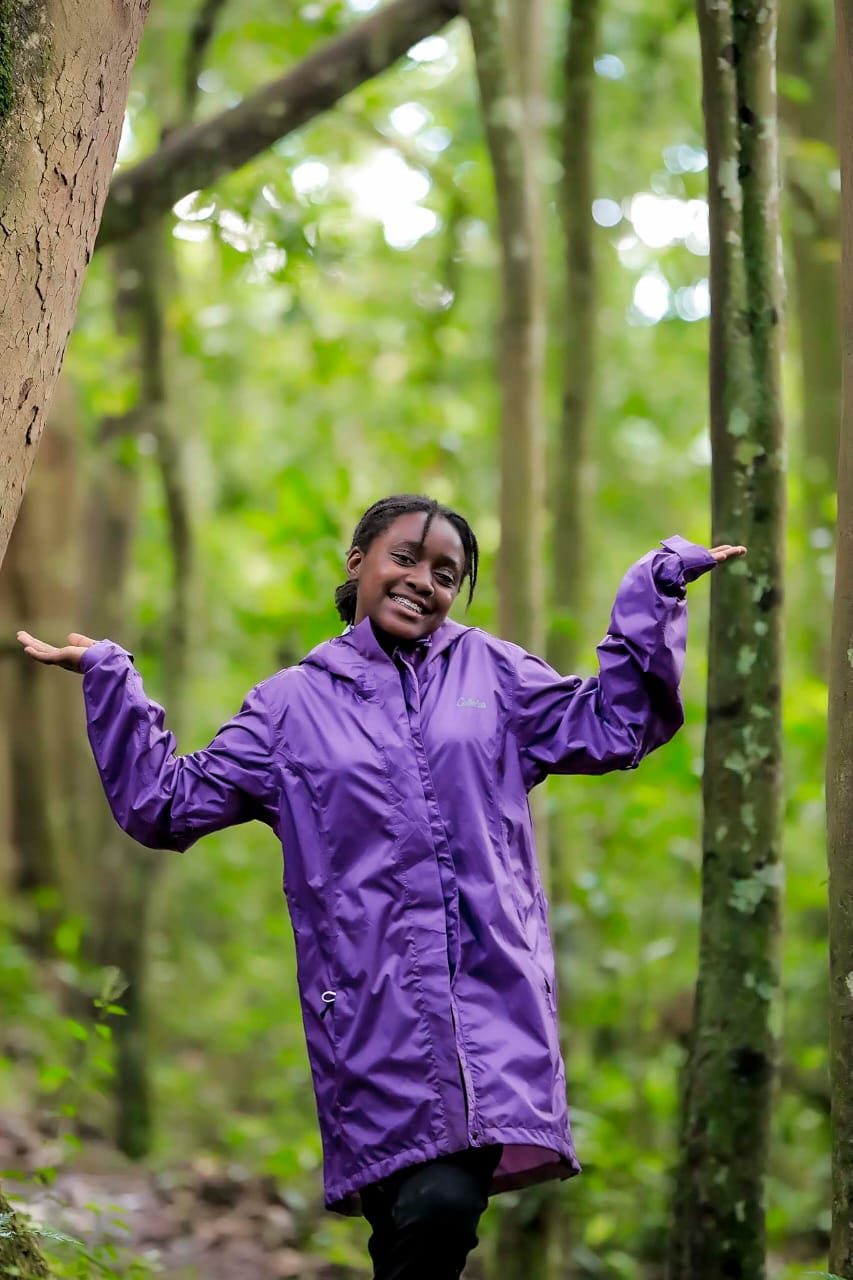
The Five Roots Foundation was born from a defining moment in 2024. At just 10 years old, Talia Birungi Kandole witnessed a small forest near her home—once alive with monkeys, birds and a wetland—disappear and be replaced by an apartment block. What had been a space for play, curiosity, learning and biodiversity became a symbol of loss.
Moved by what she had seen, Talia, with the support of her younger siblings Tamara, Timothy and Tabitha and friends in the neighbourhood, wrote a letter highlighting the need for wildlife and environmental protection. Even without knowing exactly where to send the letter, the message was clear: something needed to be done.
That moment created the seed of a wider calling: conservation should not remain only at the level of awareness. It should become practical action. It should involve children. It should help communities see that nature is not separate from life, identity, livelihoods, food, tourism and the future.
Campaign to foundation
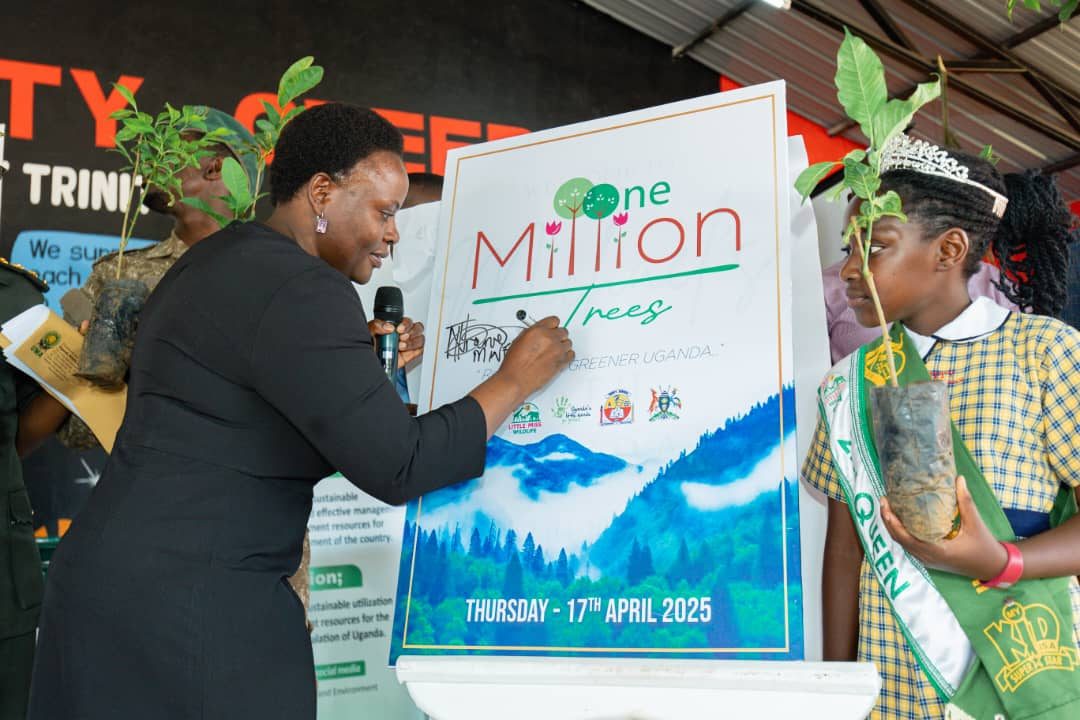
The 1 Million Trees Planting Campaign was launched on 17 April 2025 with an ambitious commitment to mobilise tree growing in Uganda. Through early partnerships and community support, the campaign created momentum for a more structured and sustainable platform.
The founding team reports that more than 510,000 trees were planted between April 2025 and March 2026. The Five Roots Foundation now provides the longer-term home for that energy—shifting emphasis from planting alone to tree growing, ecosystem restoration, survival monitoring and community stewardship.
Identity
The name The Five Roots Foundation carries two meanings—our values and our programme model—united as one child and youth-inspired conservation movement.
| Layer | Meaning | How it is used |
|---|---|---|
| Five values | Hope, Learning, Stewardship, Love and Identity | Foundation culture, public messaging and internal behaviour |
| Five programme roots | Nature restoration, young leadership, biodiversity coexistence, green livelihoods and environmental education | Strategic pillars for planning, budgeting, implementation and reporting |
| One movement | A child and youth-inspired conservation movement rooted in community action | Public positioning, partnerships and fundraising |
Core values
The belief that damaged ecosystems and discouraged communities can recover through practical action.
Children, youth and communities learn by doing, observing, restoring and sharing.
People take responsibility for the natural systems that sustain them.
Care for nature, wildlife, community and future generations.
Conservation is linked to culture, home, belonging and pride in Uganda’s natural heritage.
Direction
Vision
A Uganda where children, youth and communities lead the regeneration of ecosystems, protect biodiversity and build resilient livelihoods rooted in identity, stewardship and hope.
Mission
To empower children, youth, women and communities to regenerate ecosystems and improve livelihoods through conservation-driven education, practical climate action, sustainable tourism, resilient food systems and locally rooted solutions.
Strategic positioning
The Five Roots Foundation is a youth-inspired conservation foundation that empowers children, youth, women and communities to restore ecosystems, protect biodiversity and build nature-positive livelihoods through practical climate action, environmental education, sustainable tourism and resilient food systems.
Theory of change
If children, youth, women and communities are meaningfully engaged through conservation-driven education, practical ecosystem restoration, wildlife coexistence action, sustainable tourism, resilient food systems and conservation-compatible livelihood opportunities—and if this engagement is supported by credible governance, safeguarding, partnerships and local ownership—then they will develop the knowledge, values, incentives and practical skills needed to protect and restore the ecosystems that sustain them.
Conservation outcomes cannot be sustained by awareness alone. By linking education with livelihood and resilience pathways, we help communities protect nature while improving their own wellbeing.
How we work
Children lead through voice, creativity and inspiration, while adults handle legal, financial, operational and risk obligations.
Build a few strong pilots before scaling across many districts.
Success is measured by survival, stewardship and local ownership.
Communities protect ecosystems when conservation is linked to dignity, food security and opportunity.
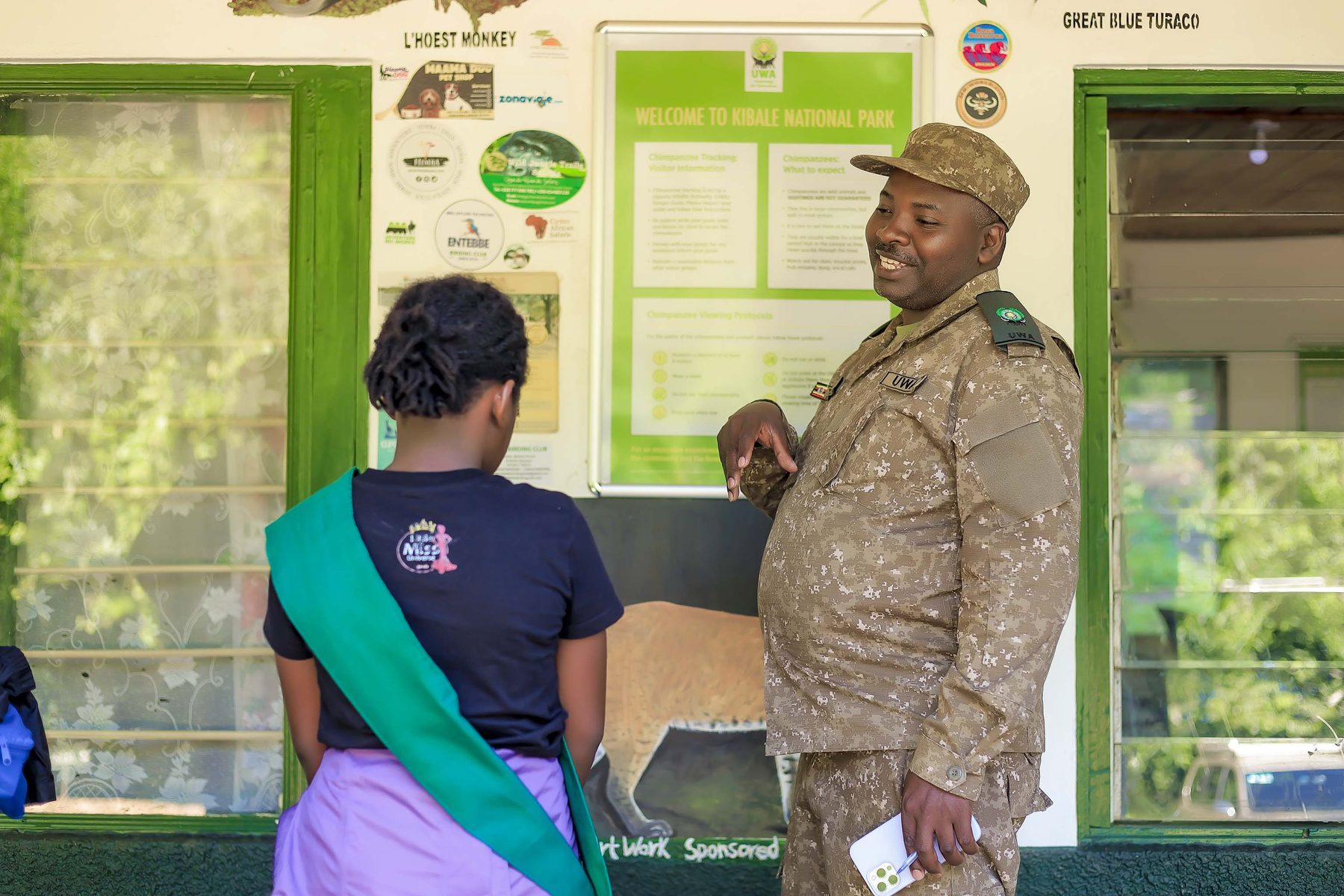
Work through schools, communities, local governments, conservation authorities, tourism actors and private sector allies.
Every campaign should generate simple records, stories, results and lessons.
Who we serve
Strategy document
Our Strategic Plan sets out goals, outcomes, programme pillars, geography, governance and the five-year roadmap.