01
Restored spaces
Degraded school, community and landscape spaces are restored and managed through practical tree growing, wetland protection and ecosystem restoration actions.
Strategic Plan 2026–2030
By 2030, The Five Roots Foundation will have grown into a credible, safeguarded and community-rooted conservation foundation mobilising children, youth, women and communities to restore ecosystems and build nature-positive livelihoods.
Early momentum
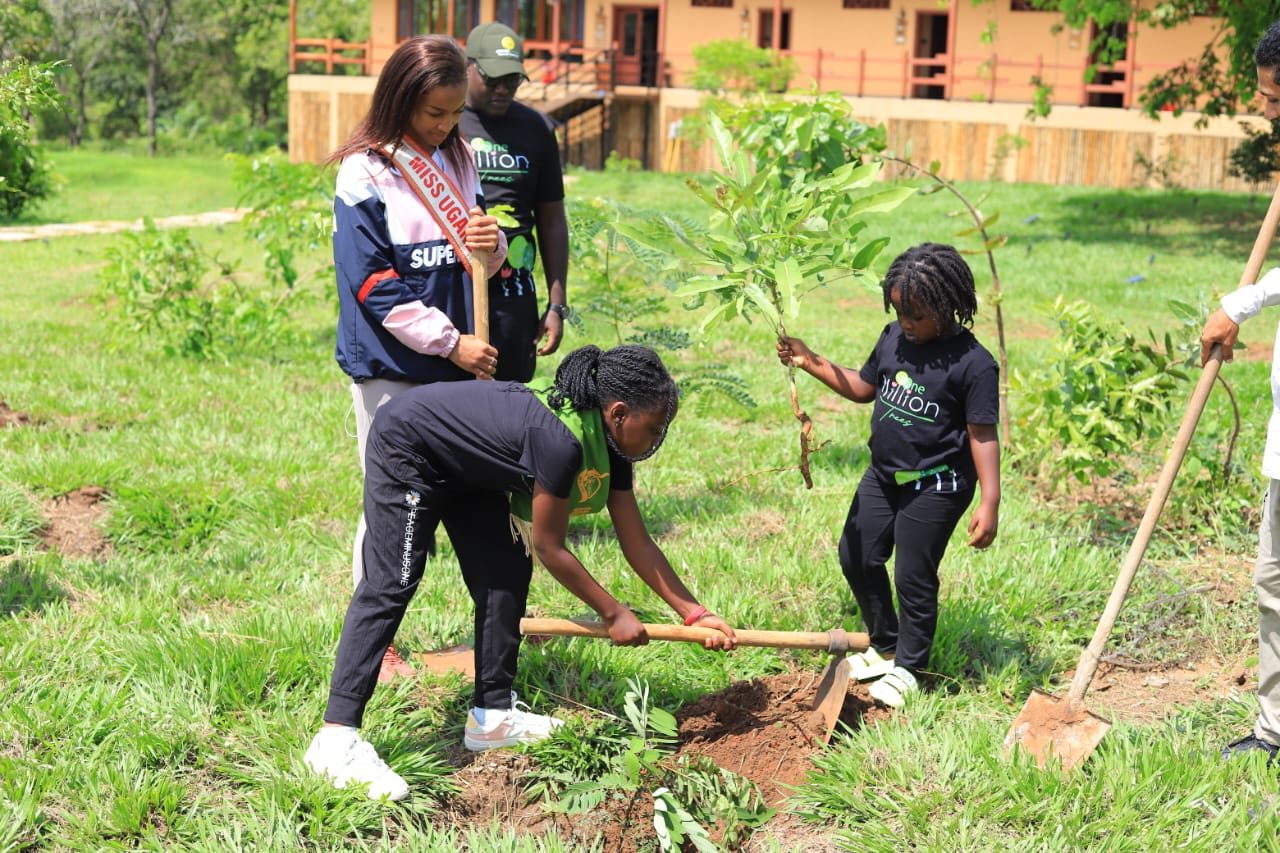
Building on the 1 Million Trees Planting Campaign launched on 17 April 2025, the founding team reports more than 510,000 trees planted between April 2025 and March 2026. The strategy now focuses on growing, monitoring and stewardship.
In this plan
Strategic outcomes
Degraded school, community and landscape spaces are restored and managed through practical tree growing, wetland protection and ecosystem restoration actions.
Children and youth demonstrate increased knowledge, confidence and leadership in climate action, conservation and nature-positive citizenship.
Communities living around conservation landscapes improve awareness and practice of wildlife and biodiversity protection, including peaceful human-wildlife coexistence.
Women, youth and community groups adopt conservation-compatible livelihood and food system practices that improve resilience while reducing pressure on fragile ecosystems.
The Foundation operates as a credible, safeguarded, accountable and learning-oriented organisation with diversified partnerships and resources.
Indicative targets
Confirmed after the 2026 baseline, funding commitments, pilot site selection, governance decisions and partner agreements are finalised.
| Area | Core target by 2030 |
|---|---|
| Tree growing and restoration | At least 1,000,000 trees grown and survival-tracked cumulatively, with an agreed survival standard. |
| Schools and youth leadership | At least 250 schools or youth groups engaged in conservation clubs, campaigns or restoration action. |
| Youth ambassadors | 1,000 children and youth trained or mentored as climate and conservation ambassadors. |
| Community reach | 50,000 community members reached through education, dialogues, campaigns and events. |
| Green livelihoods and resilience | 25 conservation-compatible livelihood or resilient food system pilot groups supported. |
| Institutional governance | Fully registered and compliant organisation with board/trustee structure, safeguarding systems, annual workplans and financial accountability. |
| Partnerships and resourcing | At least 10 active partnerships across schools, conservation actors, local governments, tourism and private sector—with at least three resource streams. |
Geography
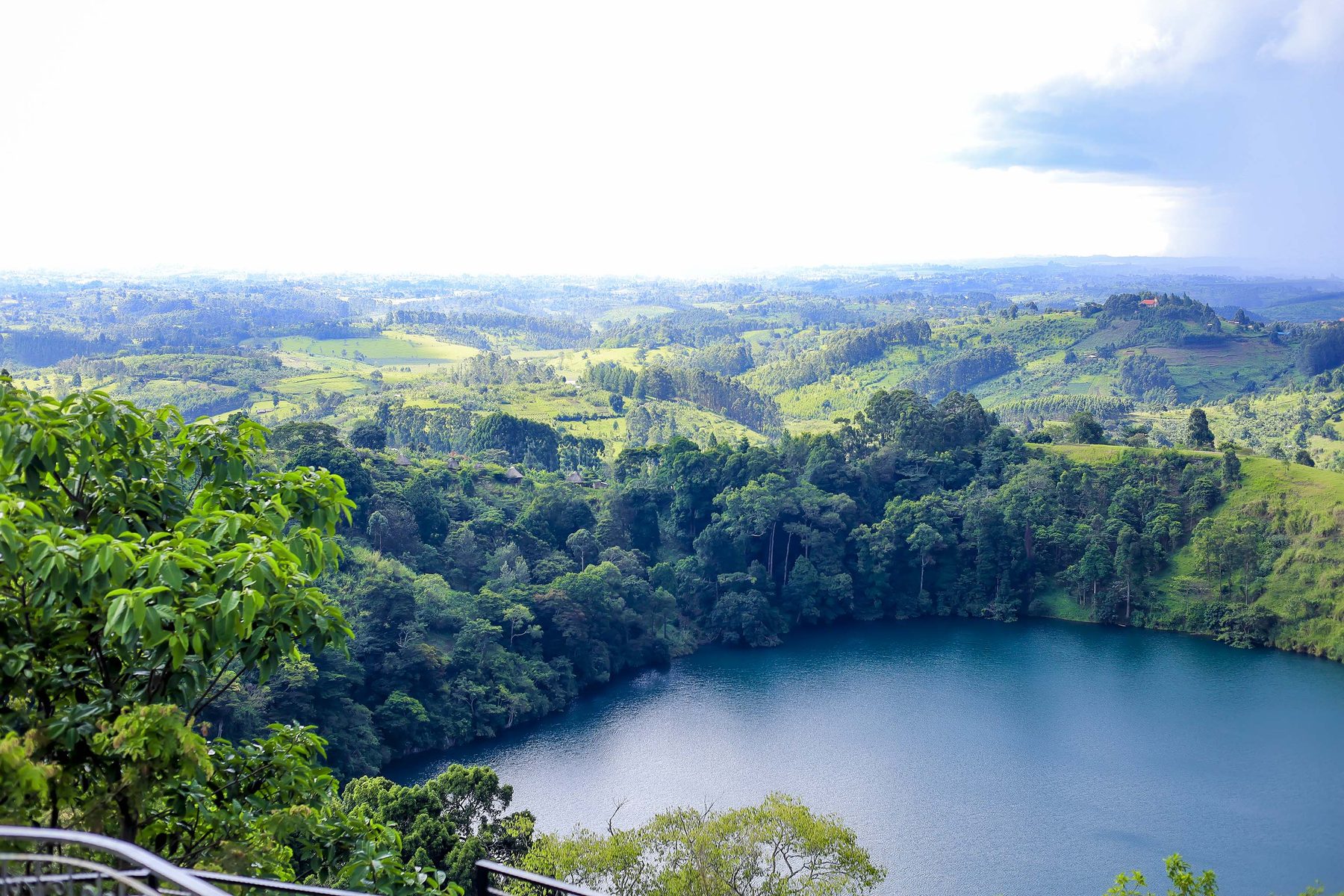
Early strategic focus is western Uganda—especially Kyenjojo, Kabarole, Kikuube, Kasese and selected areas linked to the Albertine Rift landscape, including communities around Kibale National Park and Bugoma Forest Reserve.
Five-year roadmap
| Year | Strategic focus | Priority milestones |
|---|---|---|
| 2026 | Foundation and pilot year | Identity, NGO registration pathway, board/advisory group, safeguarding, 3–5 pilot sites, Year 1 workplan, first progress note. |
| 2027 | Consolidation year | Active school clubs, youth ambassador model tested, tree survival tracking operational, first annual report, partner MOUs. |
| 2028 | Expansion year | Expanded restoration sites, youth climate forum, sustainable tourism and food system pilots scaled, stronger district engagement. |
| 2029 | Influence and partnership year | Evidence products, institutionalised Children for Nature Forum, diversified funding portfolio. |
| 2030 | Maturity and next strategy | Independent review, 2031–2035 strategy developed, impact stories documented, sustainability plan updated. |
Year 1 priorities
The first year builds credibility, safety, governance, evidence and a practical demonstration model—not everything at once.
Validate vision, mission, Five Roots model and 2026 workplan with the founding family.
Complete NGO Bureau registration preparations, board structure and governance records.
Adopt child safeguarding, media consent and youth participation guidelines.
Select 3–5 schools or community sites using clear criteria and partner agreements.
Begin tree growing, school clubs and survival tracking with simple registers.
Build a partner pipeline and produce a 2026 progress note with basic reporting tools.
Full document
Download the complete strategy for governance, MEAL, partnerships, risk management and the results framework.